Ameda · Hygeia · GaugePro
Three products, three industries
As a contract designer, I led design from the ground up for three companies: companion mobile apps for Ameda and Hygeia, two breast pump makers, and a repair management platform for GaugePro, serving heavy-duty truck shops. Each engagement ran with one product manager and one engineer.
Ameda
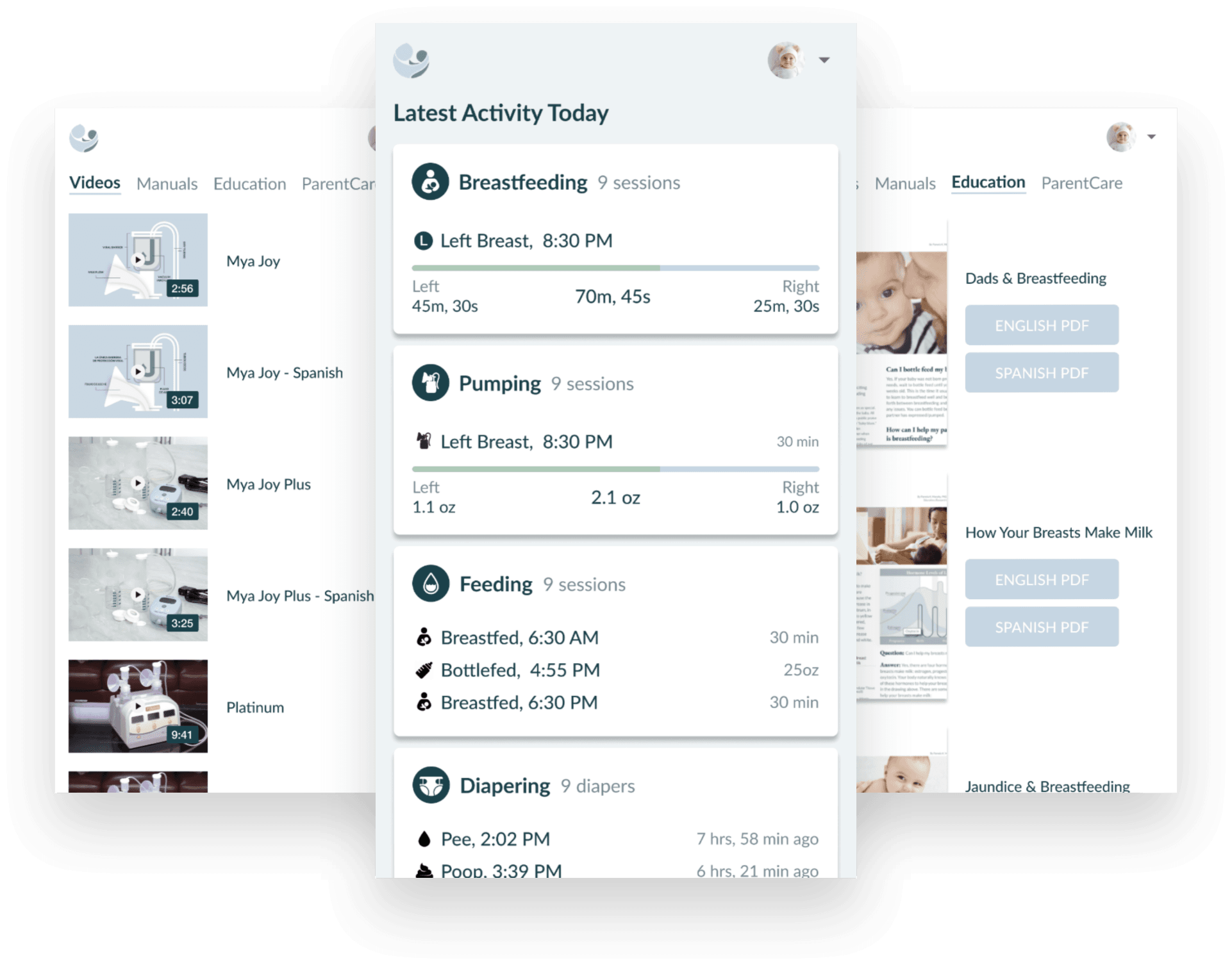
Ameda makes clinically based breastfeeding products trusted by clinicians and lactation experts. The company wanted an app that added to its physical products and supported parents through the newborn stage.
Decision 01
Summarize the numbers new parents track
- What shipped
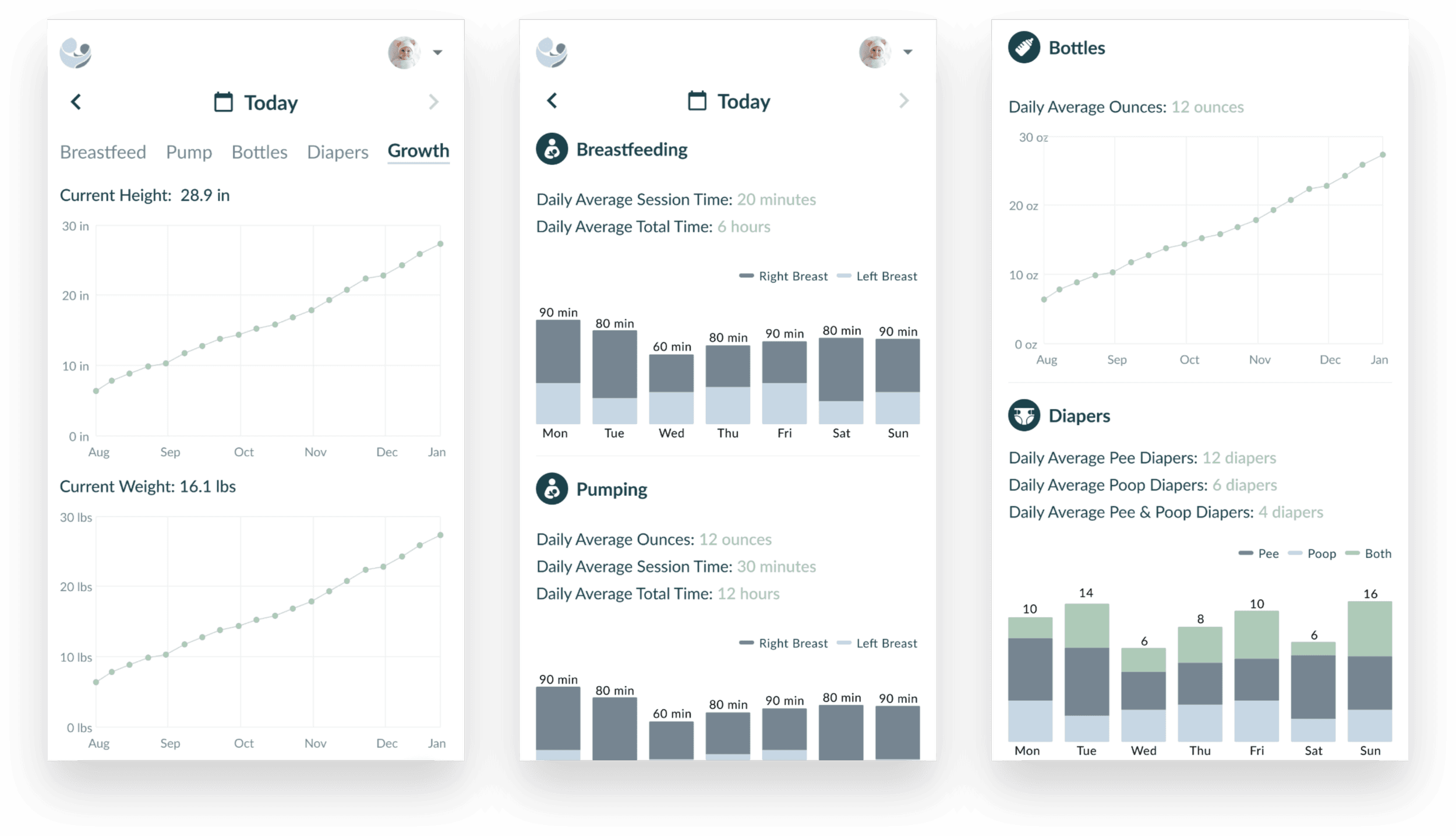
- Feeding, pumping, diaper, bottle, and growth data are summarized as daily averages and simple charts, so parents can see how their baby is doing at a glance.
- Why
- New parents log a lot of data. Charts show the most important numbers without making parents feel overwhelmed or unsure.
Hygeia
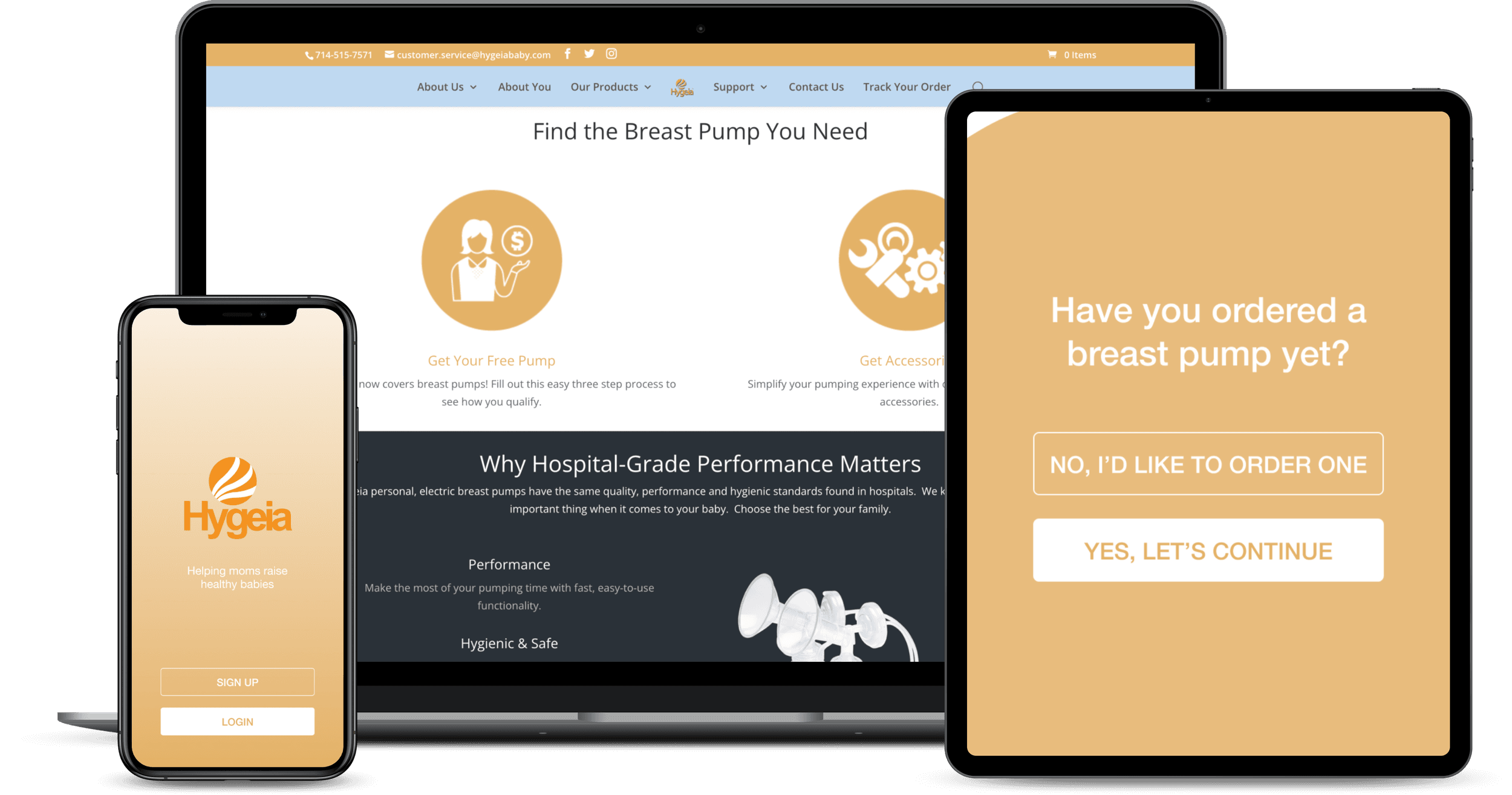
Hygeia makes hospital-grade breast pumps for personal use. It wanted a stronger digital presence for a large, loyal customer base.
Decision 01
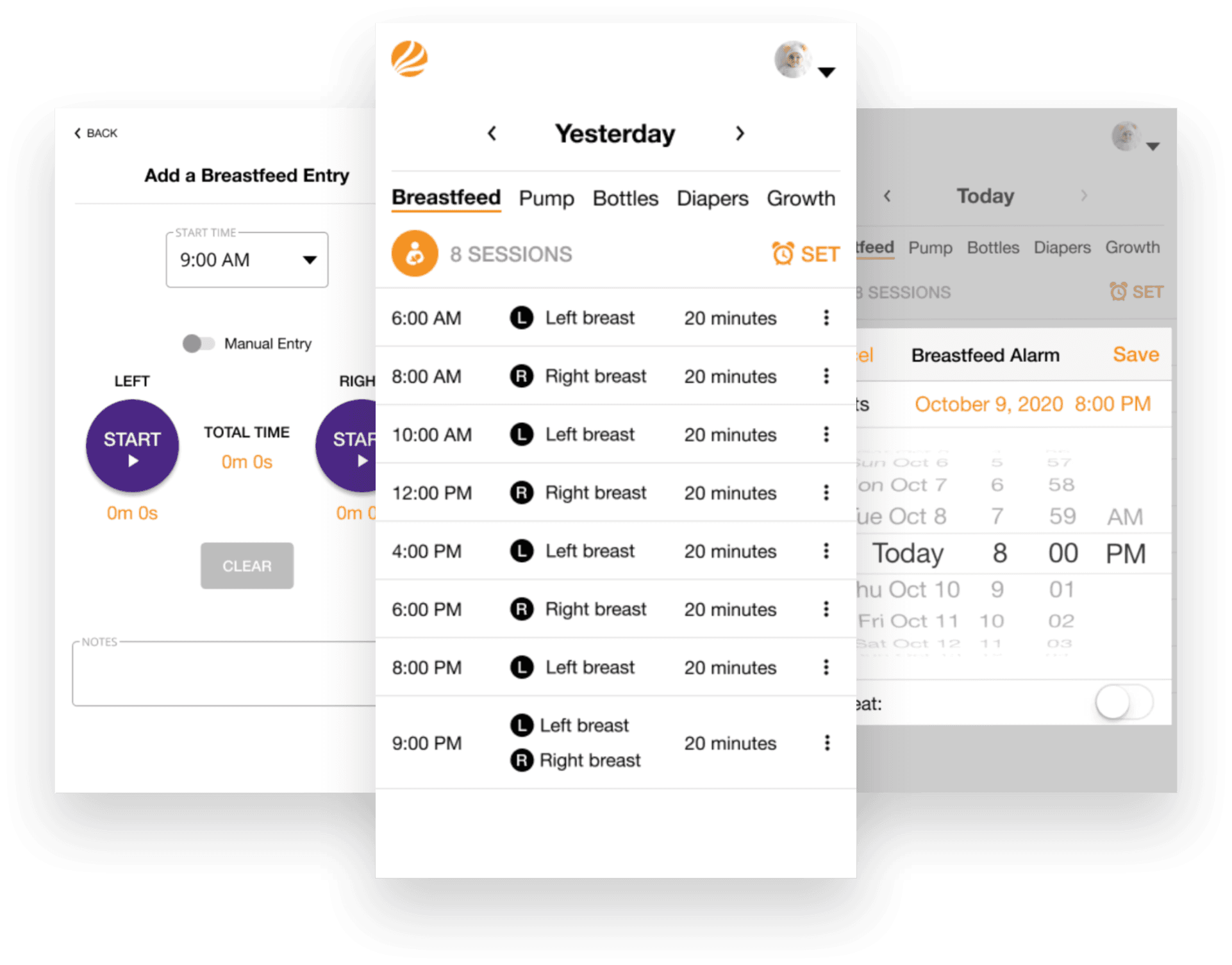
Real-time feeding tracking
- What shipped
- Parents can time each side live or enter a session manually, review the day’s sessions in a list, and set feeding reminders.
- Why
- Keeping a newborn fed is already hard. Parents needed a quick, reliable way to log feedings as they happen.
Across both apps
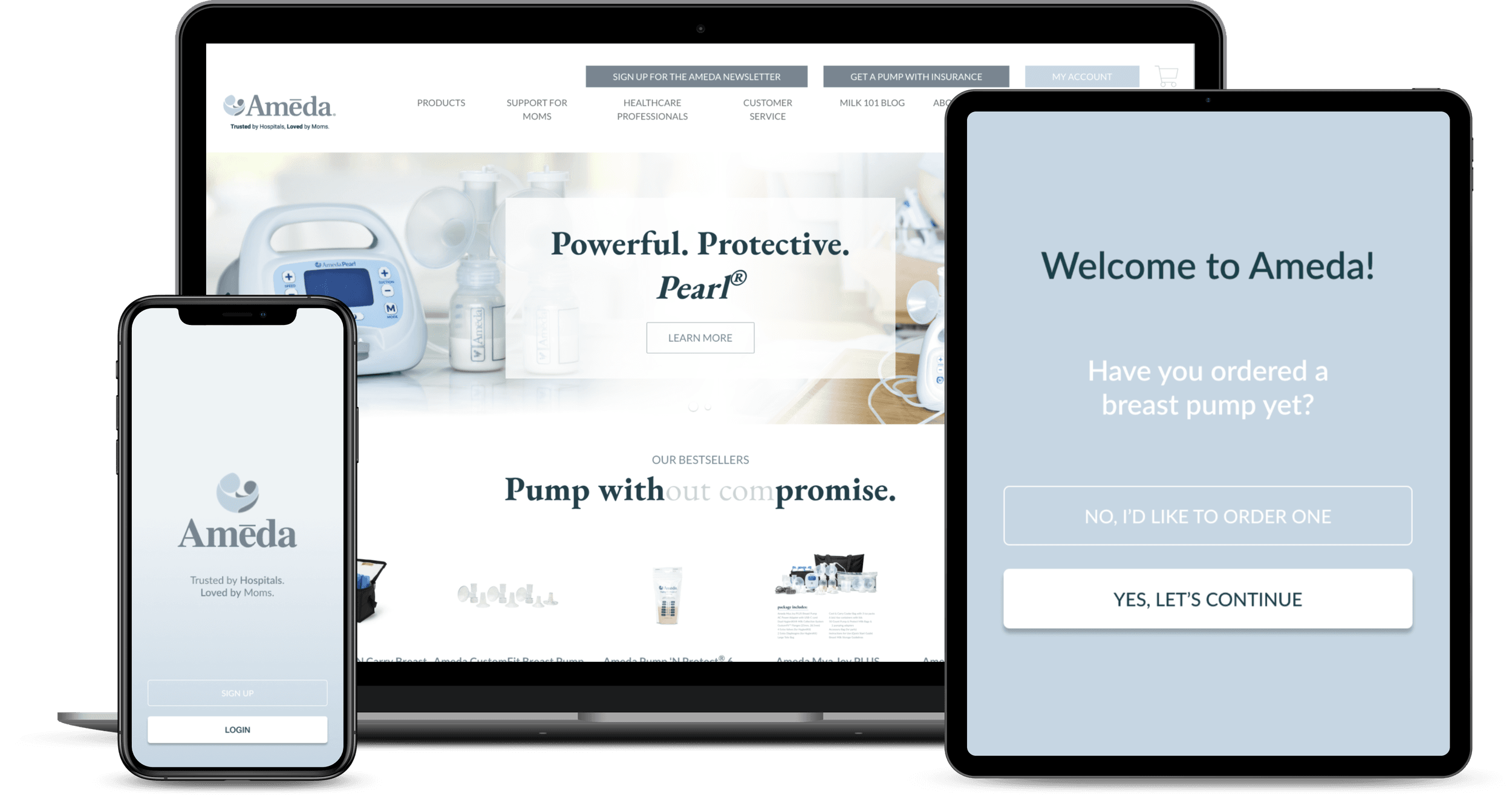
Both apps cover the same core jobs: tracking breastfeeding, pumping, bottles, diapers, and growth, plus onboarding that asks whether the parent has already ordered a pump. Designing them in parallel meant holding one set of interaction patterns while giving each brand its own voice.
GaugePro
GaugePro helps heavy-duty truck shops cut downtime with a platform for service managers and technicians. The company brought me on as its founding product designer to shape the product across web and mobile.
Decision 01
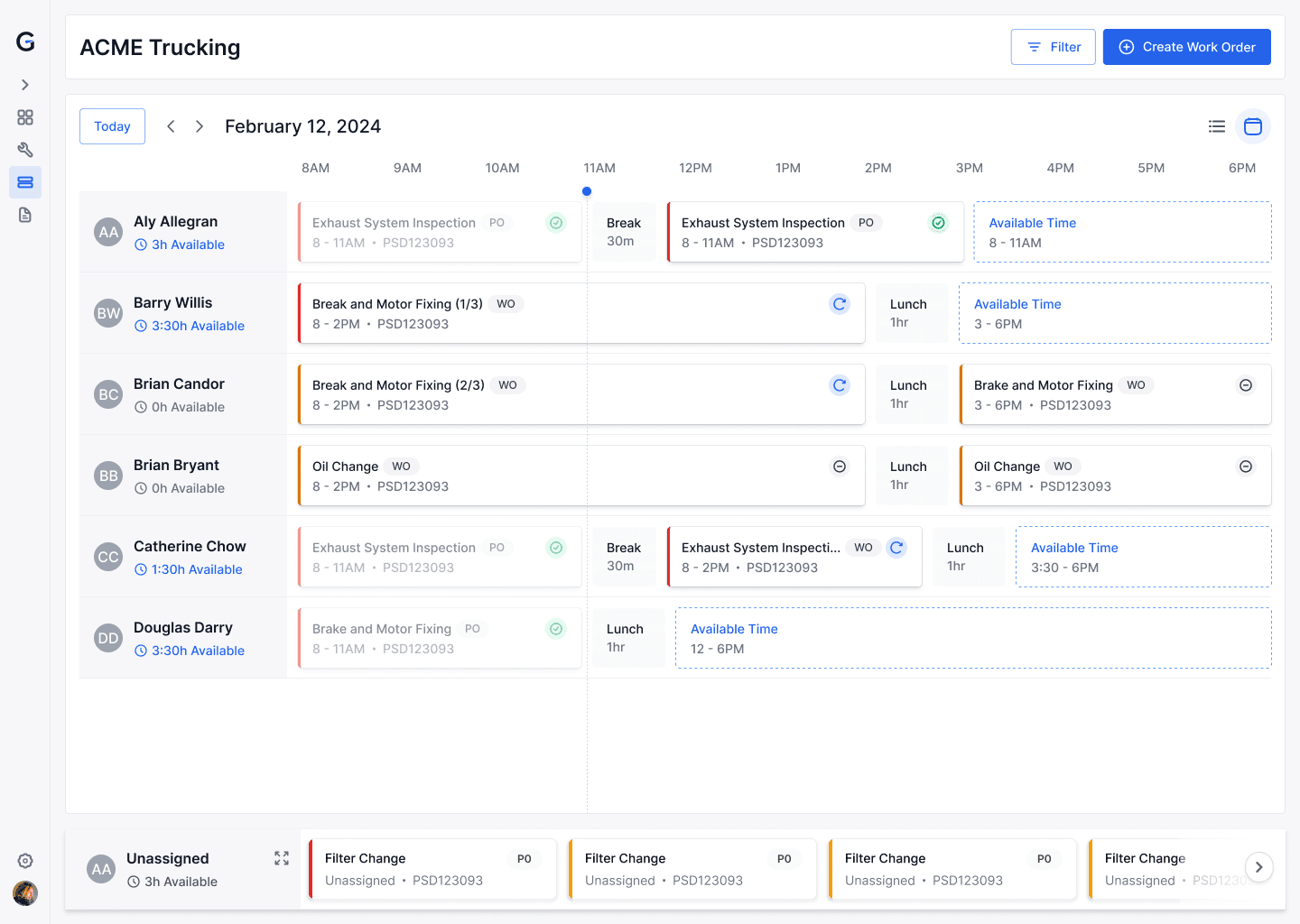
Scheduling around technician availability
- What shipped
- A scheduling view where service managers track technician availability and upcoming service, with real-time updates, technician tracking, and color coding for urgent work and likely delays.
- Why
- Managers needed to see who was free and what was overdue without reading through every job.
Decision 02
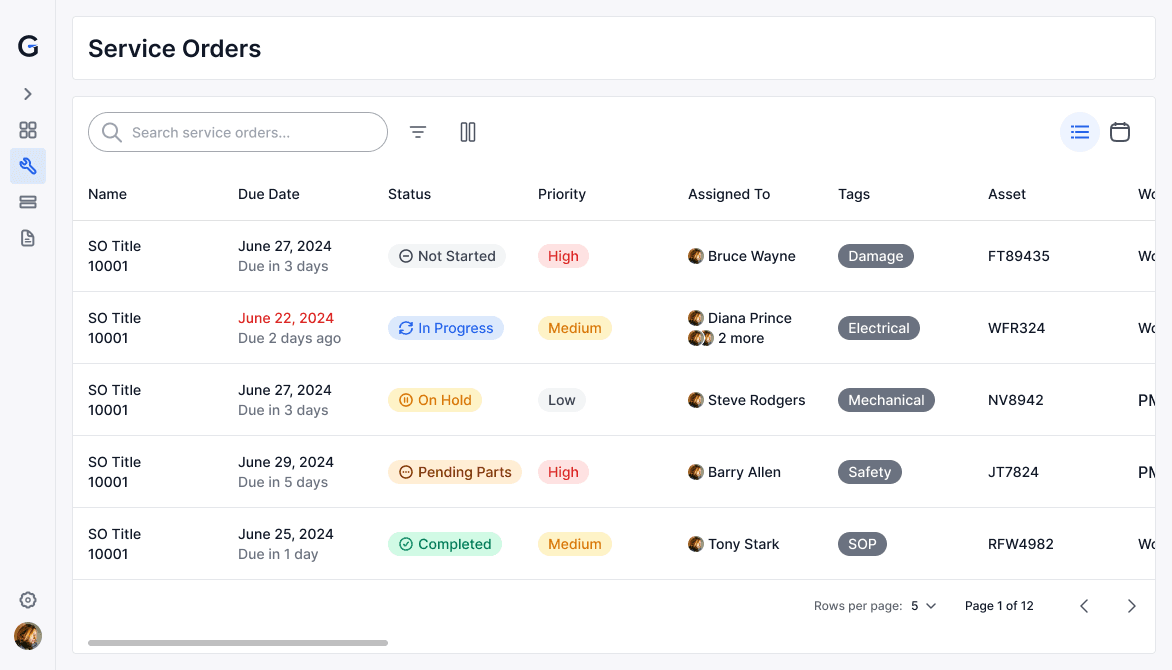
Service orders in one place
- What shipped
- Service order management that brings scheduling, documentation, and oversight of maintenance work together, so teams keep to shop standards.
Decision 03
Reporting that answers shop questions
- What shipped
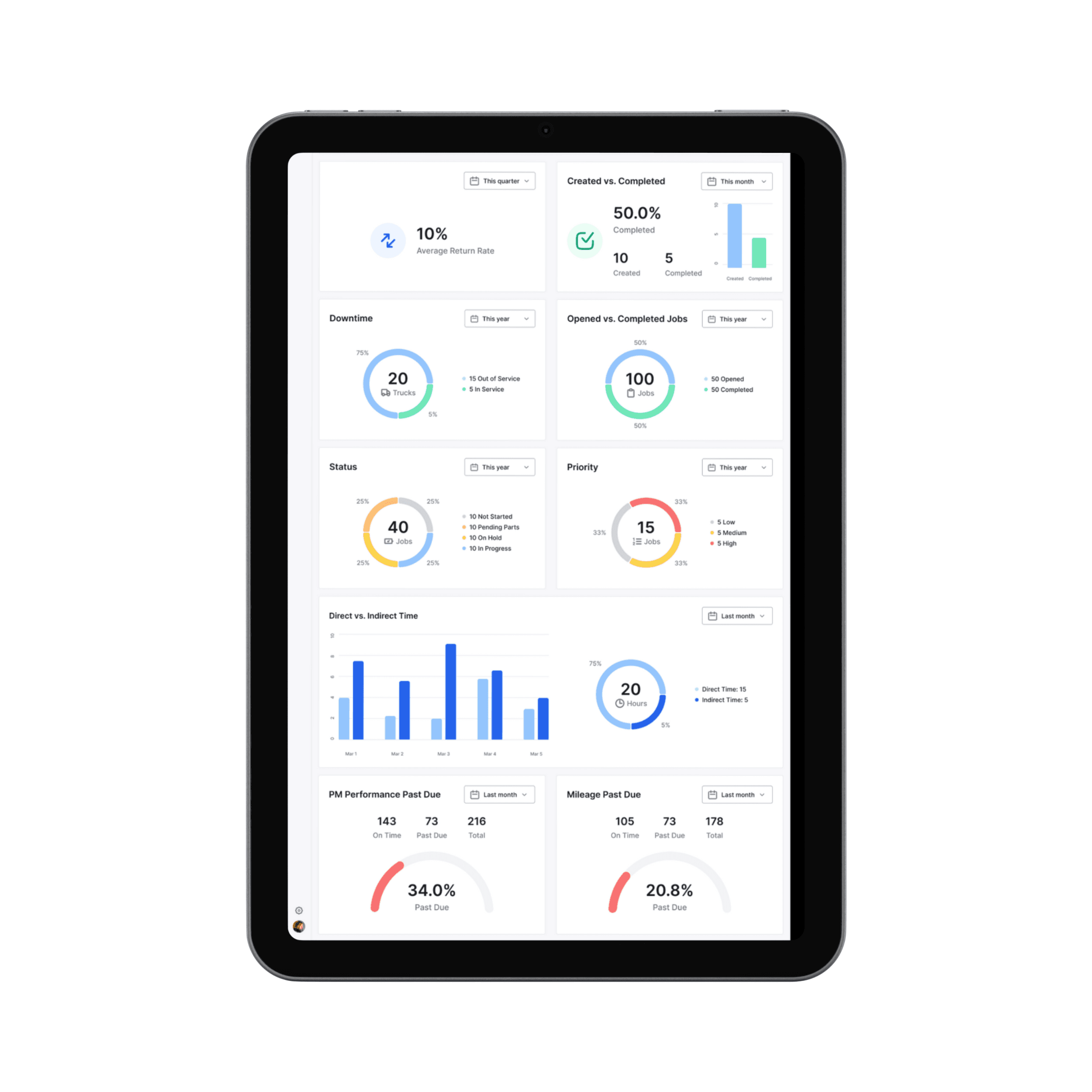
- A dashboard turning shop data into reports on downtime, job status, priority, and overdue maintenance.